Loons and Booms and Smooby Tunes for Lizard Planets

The sky is dark quiet for a while.  This morning the four planets, Mercury, Mars, Venus, and Jupiter are lining up for the kookaburra’s to have a laugh at them.  Saturn apparently off on the other side of the solar system right now, so just the four today. The humans will look on in wonder, and think things astrological, but the ‘burras will be laughing mate, looking for that snake, or lizard for breakfast.  Loons keep coming back in my memory, another spooky bird I encountered on lakes up North on the outer side of our planet.  Loons have nothing to laugh about, they seem to want to fill up the space with sound, and leave quiet to rush back in and make you wonder whether you ever heard it.  I heard it, really, was that a Loon ? ever seen one ?  Nup, not like the Kookaburra that just sits there like a king on a throne, on that telegraph wire, out the front, looking not looning, looking and waiting for the early rays of the sun, to sneek past all the planets lined up, and warm up that rock over there, that rock of sandy color, darkened by leaves, on which a lizard will attempt to get warm… very soon now.  So, you just know what a kookaburra is thinking, until of course it opens its mouth and just laughs about the situation, about mars lining up, pretending to be like Jupiter for a while, maybe just flirting with Venus since she’s out there early in the morning looking for love.

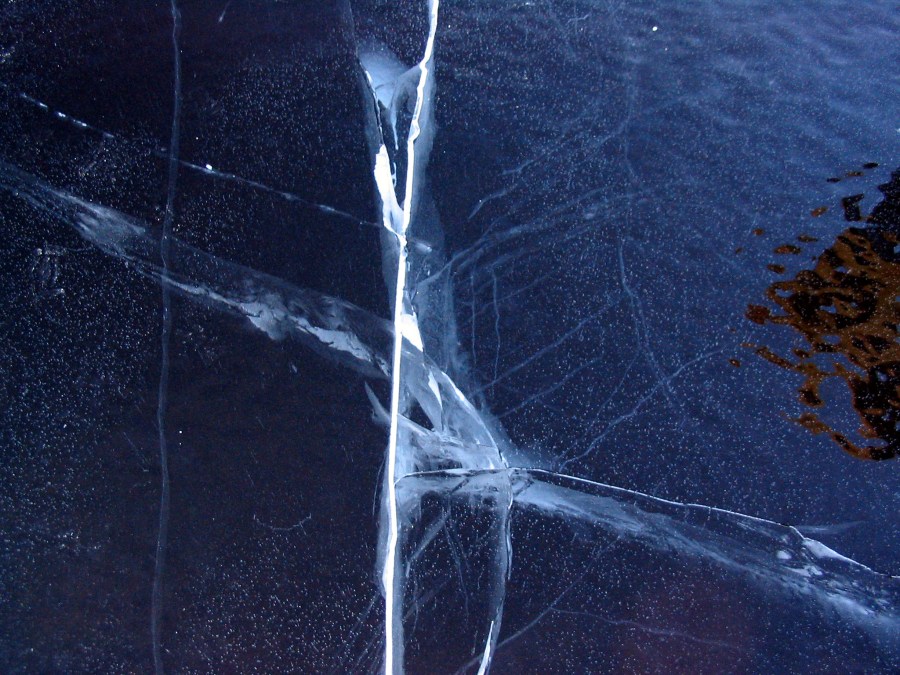
A long kind of enveloping smooby boom which goes right through you makes the loon, like the only sound in the place, in the cold, near the lake.  So many lakes in New England, but they freeze solid hard and thick.  Like that one Australia Day in January a few years back, after playing cricket in the snow in Franklin, we drove up to a lake where we could walk out.  Out on the lake and it was clear and icepick hard as a wrock, with no Loons, but the same boomy sound where the ice would crack as it warmed up for the day.  And those cracks would rocket through the ice at the speed of sound and shoot right under your feet in an instant.  But those cracks just created wonder and awe in a clear sheet looking right down into the lake below. How slowly and carefully that ice must have frozen, to be so devoid of white, to be so clear and blue looking down into the depths below – frozen in time too, the fish, little guys stuck in the ice – like small things, all color and silver, but not moving – not swimming – just frozen.  Still the boomy sound went on heralding in air the crack in the ice below, as it warmed.  No one was out there, only us aussies, who had never seen anything like that before.  So real and cold and hard and soundy.  Something you could touch and skate on and look through, like a looking glazz into the cold watery lake world below.

So much of the world is a sound escape, where you can go and hear a laugh, or a boom, or a smooby tune for a swooning loon.
Elmore Leonard’s 10 Rules of Writing : Chapter 1

I like the ‘strations.. Hat, Sunnies, Smoke, Coat, Invisible guy, Mermaid on a string, Bag of money, Beach [obviously not Bondi, or Coogee], palm tree, and a massive alligator looking with something to say. …well it was all about the money in the end wasn’t it ?

So it turns out the 10 rules are all about the ‘cloak of invisibility’ surely something writers really want.. no..? Yes, the story is the important bit. Anyway this is the first of EL books I have ever read, so that makes me an amateur book reader of this genre.
Never minde….

Rule 1. Never open a book with Weather…

I guess most conversations start out on the weather, so that means you dont start a story conversationally right ?

But of course, the next great drawing has a guy on a phone, in some kind of conversation with a dame of some kind talking about ceilings and some kind of action.  There is a window, but weather is crossed out.. but not about the weather… so point taken there Mr EL.  So I guess it is along the lines of ‘once upon a time there were 3 bears, as opposed to ‘it was raining in Sherwood Forest that day as I went walking.. etc..

Mothers Day at Bennelong

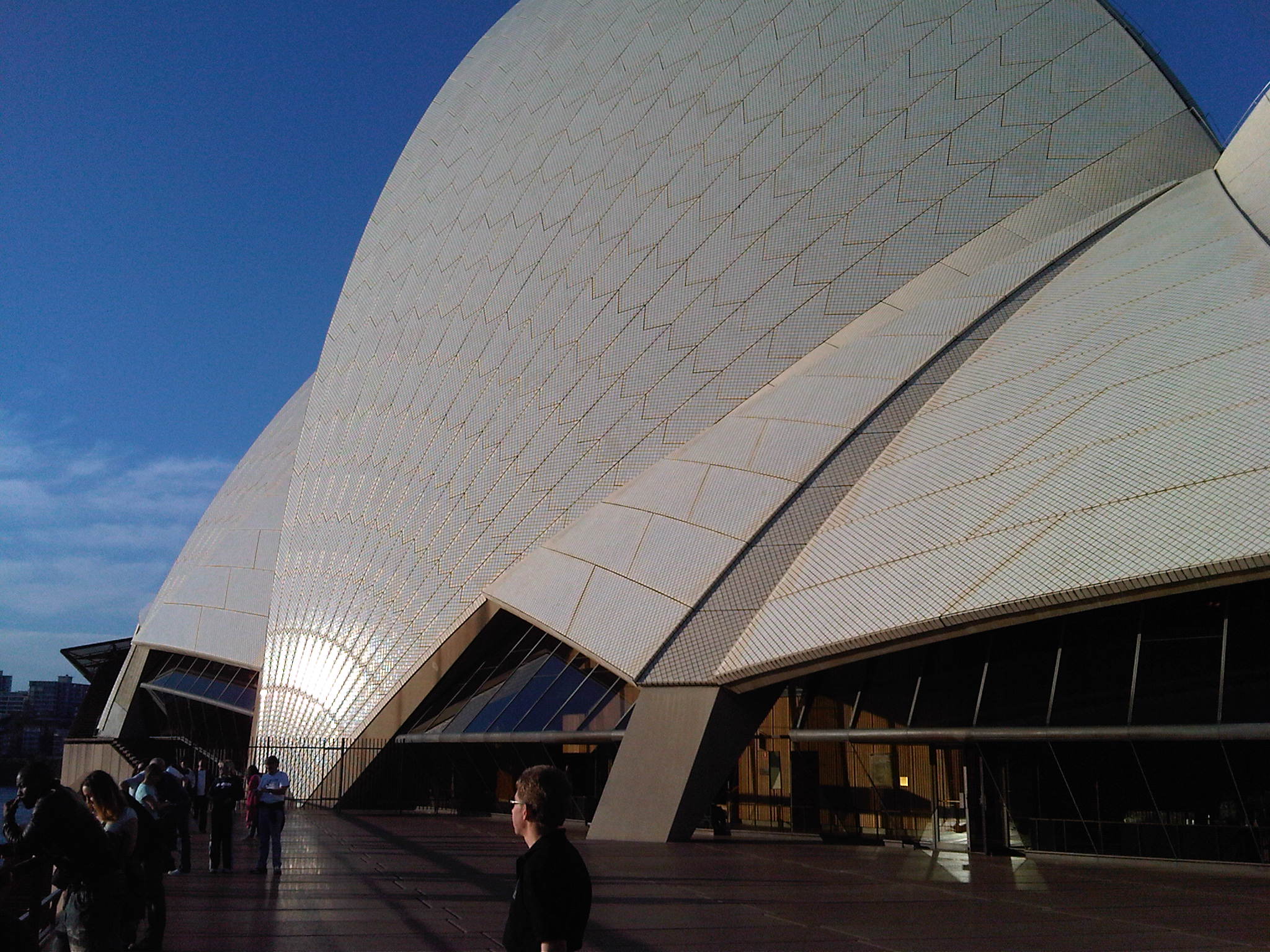
Opera House Ceramic Sunshine Surface

The sun in the early May afternoon is setting toward the north west, with light reflecting from the shell of the bridge side opera house building.  The podium on which the shells are mounted is a platform to walk around and to see from down on the harbour one of the world’s great buildings.

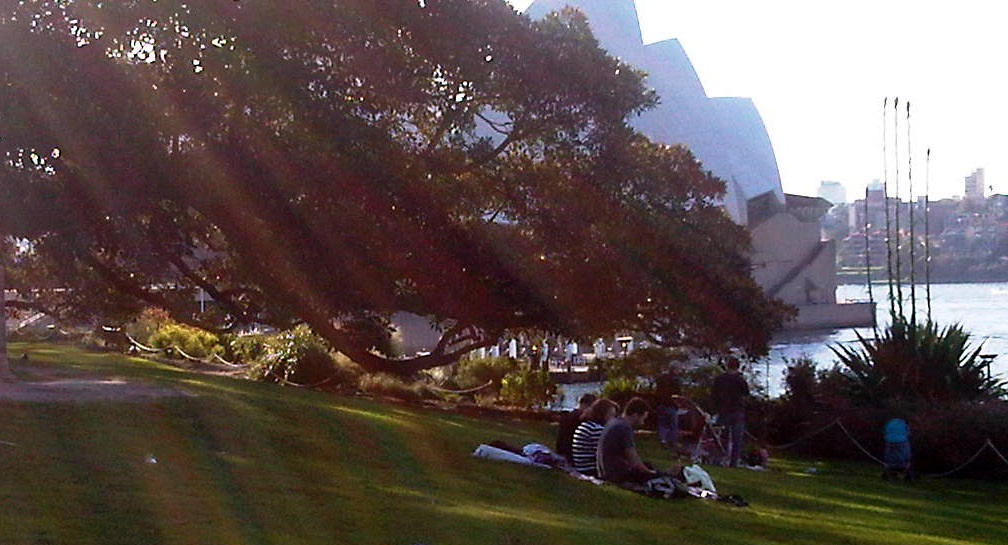
Botanic Gardens - a place to relax in view of the harbour

A short walk from the opera house to the east and around to the south of the Bennelong point, is a great place to sit, and perhaps relax read a book or have a picnic.

Fig Tree

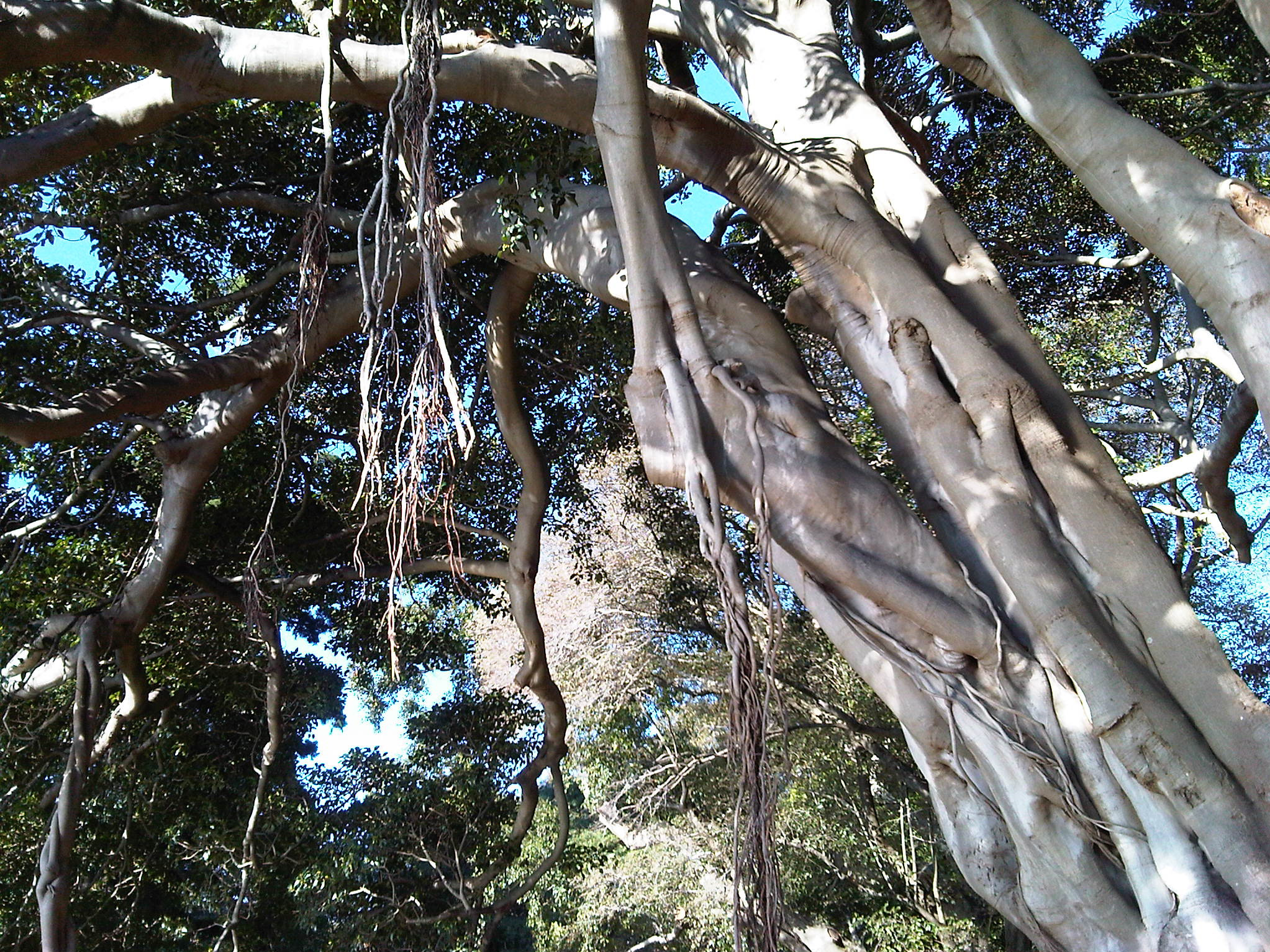
You will definitely walk past these massive fig trees which populate the front edge of the botanical gardens.  The trees seem to forget, that roots go down first, not last.

View West from the Eastern Arm of the Botanical Gardens Sydney

Innovation 3 – shift and unify the frame of reference

Some time ago, in my power station life, I remember one of the first times i was asked to come up with a long standing set of problems relating to cooling water pumps.  These massive pumps are usually located right down in the basement level of the power plant.  In our case, the plant was situated on a coastal lake, and cooled by the salt water in abundance there. So imagine these pumps, if they don’t start, nothing else does.  Typically getting them to start was horrible, because all sorts of limit switches, around the periphery of the pump discharge or inlet valves would NOT operate.  Either salt water had messed with the contacts, or they had rusted off etc.  So the problem was environmentally endemic, how to find a way to solve this.

All of the off the shelf solutions had been tried.  Waterproof switches, etc.. but these did not handle the constant vibration, once the pump started, which lasted for months etc..

A key question that needs to be asked first up is, how did we get here ?  In a plant, usually created and modified by multiple contractors, there are often multiple circuits representing different functional requirements overlaid on each other.  This can happen over time, and the resulting complexity builds up inside one particular frame of reference.  In this case, the valve shaft.  One input – a massive rotating valve shaft [only turned a quarter of a turn] – and multiple limpet like boolean functions attached to its surface.

The innovation

Shift the Frame – get one or more key functions off the side of the valve shaft into a lower risk frame – i.e. a closed water tight box – but still with the physical valve rotation driving the frame.

Unify the frame – get the myriad of functions accumulated over time, consider them as a whole, and then unify the solution frame – i.e. move all different brand switches, onto the same rotating multi contact device inside the same waterproof box

The Solution

The solution was to shift all of the limit switches, into a sealed stainless steel box, with a small shaft, fitted by flexible coupling to a post welded onto the centre of the valve shaft.

This meant that all of the existing cables could be guided into the box. = no new cables.

All of the plethora of limit switches could be removed and dispensed with. = less complex

All of the limit contacts could be arranged on a rotating shaft, where they could be fixed in position at the same angle they would have been on the valve shaft.

Vibration was removed by use of a rubber tube clamped to the limit switch shaft and the valve post we welded on.

Corrosion was removed by ensuring that everything was in a stainless steel housing, that would most probably not be opened ever again. = long life.

===

Innovation often is about taking all the ideas already engineered and moving them into a new frame of reference, which removes the risk of the engineered solution failing.

Many solutions are put together by multiple people at different times in the life of a plant.  When we get a chance we find time to look at all the problems and all the solutions, and the risk of them failing in a collective whole, then come up with a composite solution, which improves the reliability.